

Research on execution shows that most founders and product teams hit far fewer goals than they set. Studies on cross-functional work suggest that about 75% of cross-functional teams are considered dysfunctional, even when the people are smart and hard-working. When I look at how strong systems enable cross-functional teams to beat those odds, one pattern stands out: teams fail less because of talent gaps and more because of broken structure.
The uncomfortable truth is this: the problem is rarely the people. The real issue is the lack of clear systems that guide goals, communication, decision-making, accountability, and conflict. Without that shared decision-making infrastructure, marketing optimizes for leads, product chases features, engineering guards stability, and no one can explain how their task helps the one thing that matters this quarter. Systems thinking in modern teams is no longer a nice-to-have idea; it is the base layer that keeps cross-functional work from turning into chaos.
When I work on building cross-functional teams, I focus on how strong systems help everyone act like one unit instead of several departments in the same meeting. That applies to AI-enabled teams, WordPress product teams, SaaS startups, and enterprise product groups. The same patterns show up whether people are in generalist vs. specialist teams or whether they use context-driven AI workflows or simple spreadsheets. In this article, I will walk through seven proven mechanisms I have used for more than 25 years. If you read to the end, you will walk away with a practical blueprint for scalable systems for teams, not theory or buzzwords you cannot apply on Monday morning.
“Every system is perfectly designed to get the results it gets.”
— W. Edwards Deming
Mechanism 1: A Unified Goal Framework That Actually Guides Daily Decisions
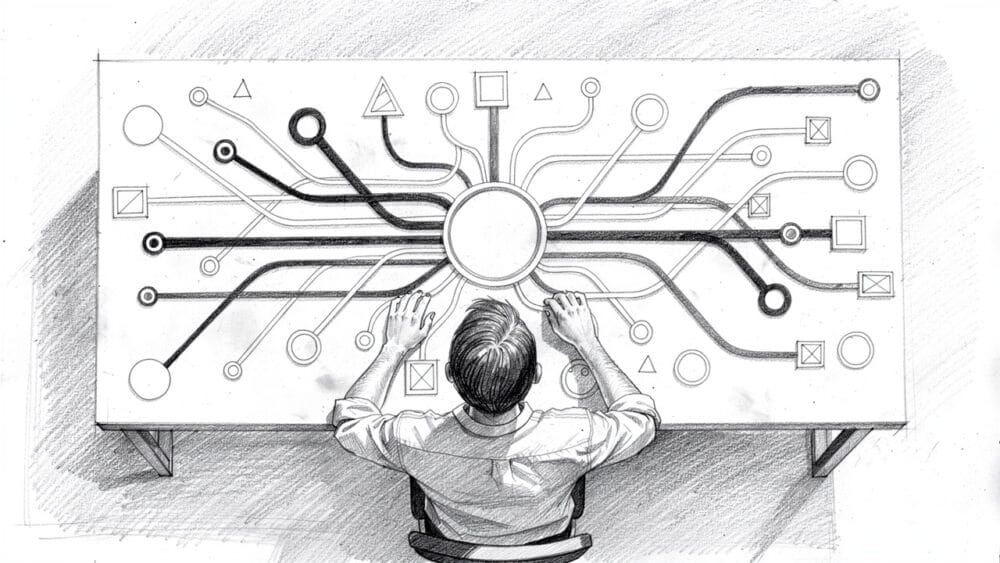
Research suggests that only a small slice of employees can name their company’s top goals. I see this every time I step into a new product group. People can recite a vision statement, yet they cannot show how today’s work links back to it. When that happens, even strong performers drift, and no one can tell how strong systems enable cross-functional teams, because there is no real system at the goal level.
Cross-functional teams feel this even more. If marketing chases signups, product chases feature count, and engineering chases uptime, they pull in different directions. A strong goal framework fixes this by giving everyone one clear, measurable target with a time frame and an owner. Think of a single north star such as “retain three million dollars of at-risk revenue in the next two quarters”, with clear numbers and a clear end date that sit at the center of every roadmap and sprint.
I have seen this work well when big goals turn into shared sub-goals instead of isolated KPIs. Product, sales, and success all hold pieces of the same target, not separate scorecards that clash.
- One insurance support team I studied had missed retention targets for three quarters in a row. When they picked one clear goal around saving at-risk small-business accounts and tied every weekly plan to that number, they hit their target two months early. Nothing about the people changed; only the way the goal was framed and tracked changed, which showed them how strong systems enable cross-functional teams to pull in the same direction.
- To build this kind of framework, they stopped treating each department’s metric as a separate scoreboard and focused on one shared retention target that everyone could influence in visible ways.
To build this kind of framework for your team, I:
- Write the main goal in simple language that anyone can repeat.
- Break it into realistic milestones by function, with clear input metrics.
- Agree on owners and dates in one shared place that everyone can see.
Then I run a simple test with each person and ask them to explain how their current task supports that goal in one sentence. If they cannot do it, I know the system needs another pass, not another motivational talk.
“If you don’t know where you are going, any road will get you there.”
— Lewis Carroll
Mechanism 2: Transparent Decision-Making Protocols To Eliminate Gridlock
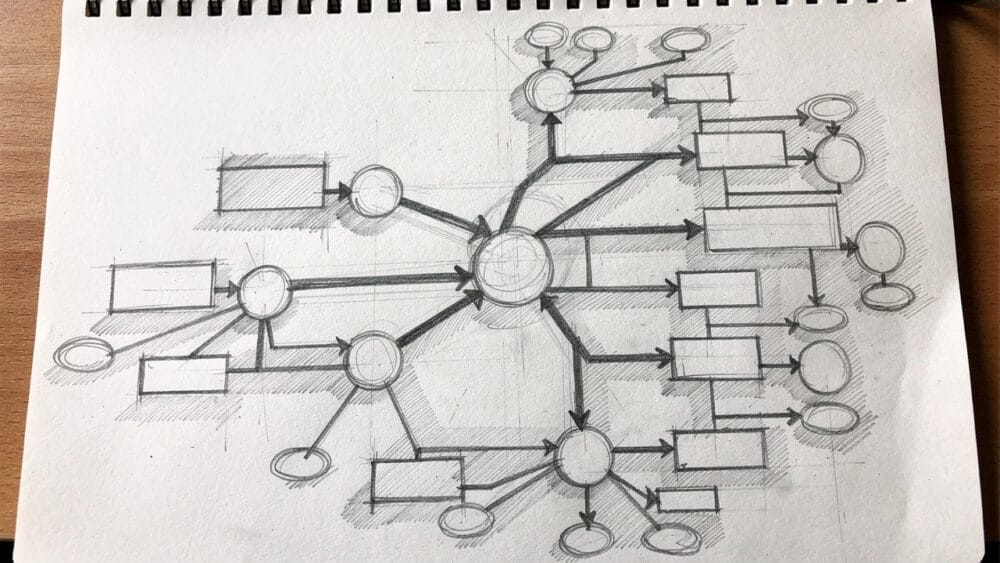
If goals are the what, decision rules are the how. Many teams suffer from what I call decision debt, where open questions pile up because no one knows who decides, when to decide, or what data matters. In cross-functional work this is even worse, because every department arrives with a different chain of command and different risk levels. Without clear rules, people stall, and no one can see how strong systems enable cross-functional teams to move fast.
A strong protocol starts with a simple agreement on who has authority for each type of decision, when to involve others, and when to escalate. I like to use a light version of RACI for major calls:
- Responsible – does the work.
- Accountable – owns the final call.
- Consulted – provides input because their view matters.
- Informed – updated after the decision is made.
This turns messy “everyone weighs in forever” threads into a clear decision-making infrastructure.
- Picture a launch decision that touches product, marketing, and engineering. Before work starts, we agree that the product lead is Accountable, marketing and engineering are Consulted, and founders are Informed. When a conflict appears, the group debates for a set time, the accountable person weighs the data, and then makes the call. That pattern makes it clear how strong systems enable cross-functional teams to avoid endless meetings without drifting into chaos.
- What never works is asking for full consensus on every issue or letting the loudest voice win by default. Those patterns erode trust over time and slow the team more than any formal process. Clear decision rules may feel slow at first, but they remove hours of hidden friction from every project.
“Without data, you’re just another person with an opinion.”
— often attributed to W. Edwards Deming
Mechanism 3: Structured Communication Channels That Prevent Information Silos
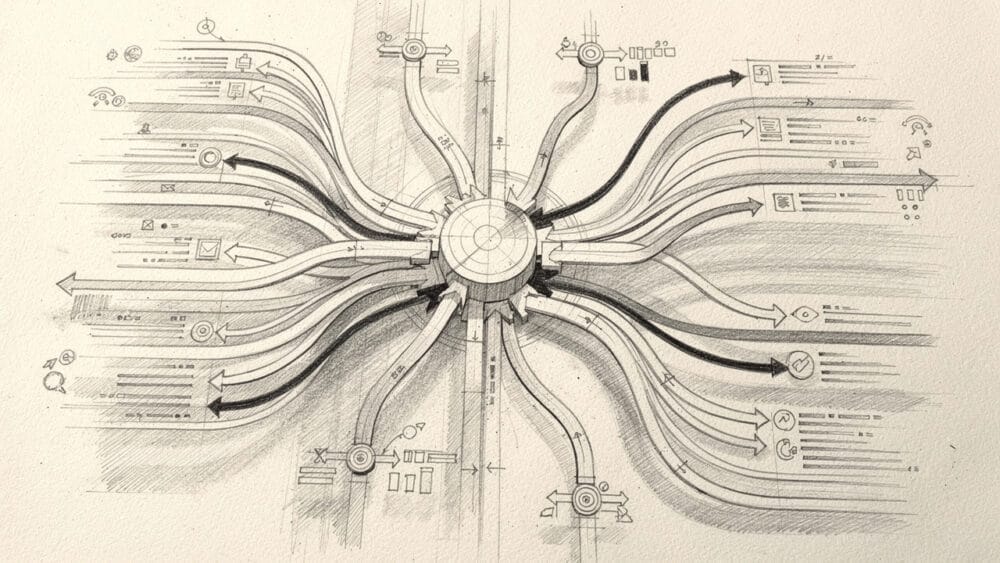
Most cross-functional groups drown in tools. Status lives in Slack threads, specs hide in docs, bugs sit in separate boards, and decisions disappear in someone’s inbox. Each department also uses its terms and tools. That mess makes it hard to see how strong systems enable cross-functional teams, because there is no single place where work lives.
The fix is a simple, shared communication system that acts as the one source of truth. I like to keep tasks, owners, dates, and decision notes inside a single project platform such as Asana, Jira, or a similar tool. That hub becomes one of the main knowledge systems for teams, especially for AI-enabled teams that also run context-driven AI workflows on top of their data. When I connect comments, files, and status in the same place, I greatly reduce the “Where is this?” question.
In these hubs, I focus on:
- Centralizing current tasks, clear owners, realistic dates, and short decision notes.
- Keeping every change in that system so people do not need to ask for manual status reports.
- Making it easy to see how work rolls up to the main goal framework.
Over time, this shows the group how strong systems enable cross-functional teams to rely on visible facts instead of hallway updates and hearsay.
On top of the tools, I add simple norms. We agree:
- Which channel holds official status.
- What a “ready for review” update must include.
- How fast people should respond to blockers.
- When to meet live instead of staying async.
I often add a shared glossary inside the same workspace so product can understand sales pipelines and marketers can follow technical debt discussions. That mix of clear channels and shared language turns scattered chatter into a steady flow of useful information.
In my own work, I favor weekly async updates posted into the shared workspace with three sections:
- What has moved since last week?
- What will move next?
- What is blocked?
Meetings then focus on addressing the biggest issue, not reading updates line by line.
“The single biggest problem in communication is the illusion that it has taken place.”
— George Bernard Shaw
Mechanism 4: Regular Accountability Check-Ins That Drive Continuous Progress
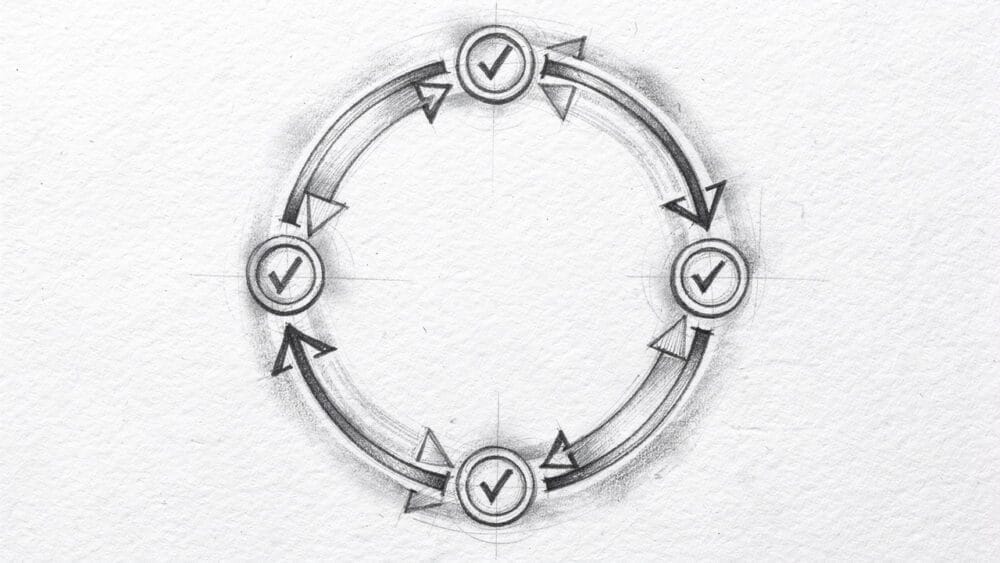
Many teams hate the idea of “accountability meetings” because they picture inspection and finger pointing. So they skip them, and work starts to drift. Over time, people quietly accept missed dates as normal, and no one can see how strong systems enable cross-functional teams to hold a steady pace without micromanagement.
A good check-in system feels more like a pit stop than a court hearing. It happens often enough to catch issues early, stays time-boxed, and focuses on problems and next steps instead of blame. I like a simple format. Each person shares:
- What they shipped last period.
- What they will ship next period.
- What is blocking them.
- What help they need from other functions.
When this rhythm ties back to the main goal framework, people start to feel peer pressure hastily.
- In active projects, a weekly check-in usually works. For steady-state work, a biweekly rhythm is often enough. I ask people to post short updates before the call, which cuts the live review to roughly ten minutes. The rest of the time goes into one or two big blockers that affect more than one function, which is where you see how strong systems enable cross-functional teams to resolve systemic issues instead of patching symptoms.
- Over time, this turns accountability into a shared habit instead of a manager’s job. When a designer knows the engineer will mention a dependency in front of the group, they feel a quiet push to be ready. That social loop is more powerful than any project tool, and it does not require long status meetings that could have been emails.
This kind of rhythm also creates cleaner data for AI-enabled teams, because work and blockers appear in a repeatable format that tools can read, summarize, and analyze.
Mechanism 5: A Conflict Resolution Framework That Turns Disagreement Into Better Decisions

Any honest cross-functional team will clash. Marketing pushes for speed, engineering guards stability, product wants a fuller feature set, and finance worries about cost. If the team has no clear way to handle that tension, people either avoid hard topics or let frustration leak out sideways. In both cases, the group never sees how strong systems enable cross-functional teams to use conflict in a healthy way.
A solid conflict framework sets a few simple ground rules and clear steps for handling real disagreements. I ask teams to agree to:
- Assume good intent.
- Speak in terms of outcomes rather than personal traits.
- Use data where possible, not only opinions.
When a conflict appears, each side presents a short written case that covers impact, risks, and one recommended path. If they cannot agree, the accountable decision maker steps in with a clear call after hearing both sides.
- Take a launch date dispute between marketing and product. Instead of trading endless chat messages, both sides write one short brief that outlines their view, shows key metrics, and lists trade-offs. They share those notes with the accountable leader, talk through questions, and accept the call. After a few cycles of this, people see how strong systems enable cross-functional teams to argue honestly without hurting relationships.
- In my experience, teams that document their conflict rules see far fewer repeat fights over the same themes. People start to view open disagreement as a sign that teammates care about outcomes, not as a threat to status. What does not work is vague advice like “just work it out” or leaders who shut down debate with position alone. That pattern hides problems until they explode later in a sprint, which costs far more than a clear, early argument.
When you add this kind of framework, you give both human members and AI-enabled tools cleaner, clearer records of why choices were made, which helps future decisions as well.
“Conflict is inevitable, but combat is optional.”
— Max Lucado
Mechanism 6: Cross-Training And Knowledge-Sharing Systems To Build Shared Context
Even strong cross-functional groups often operate with partial context, despite evidence that cross-functional teams may boost innovation and adaptability when properly structured. Product managers rarely hear raw sales objections. Engineers may never see live user behavior or support tickets in detail. Over time, this gap feeds the classic generalist vs. specialist teams divide, where each group defends its view instead of understanding the others. Without a system to share context, it is hard to show how strong systems enable cross-functional teams to make better trade-offs.
To close that gap, I help teams build steady cross-training and knowledge-sharing systems. That can include:
- Monthly deep-dive sessions where one function walks the rest through their goals, constraints, and key metrics.
- Shared playbooks and internal FAQs for each function, stored in a central wiki that acts as a living reference.
- Shadowing days where product and engineering join support calls or sales demos at least once a quarter, then bring what they learn back into roadmaps.
- In one SaaS group, regular “function spotlights” gave marketing a clear view of technical debt and gave engineers real insight into conversion data. Recordings, notes, and metrics all flowed into a shared knowledge base with short explainers on each topic. Over time, that base became one of the most valuable knowledge systems for teams in the company, and it made clear how strong systems enable cross-functional teams to anticipate each other instead of clashing at handoffs.
- When teams already run context-driven AI workflows, this library becomes even more powerful. AI tools can summarize support themes, highlight frequent sales objections, and flag common design issues in a format everyone can read. That mix of human deep-dives and machine summaries speeds up learning without adding more meetings than people can handle.
The compounding effect is simple. When marketing understands real technical limits, they set better launch promises. When engineering sees live churn drivers, they prioritize fixes that move revenue, not only architecture. That is how strong systems enable cross-functional teams to make smarter calls with less friction.
Mechanism 7: Continuous Monitoring And System Iteration Based On Real Feedback
No system works forever. What helps a five-person team often cracks at fifteen people, and a process that fits a launch phase will not fit a quiet maintenance phase. Strong teams treat their ways of working as products that need regular review, recognizing that cross-functional team collaboration requires ongoing refinement to remain effective. This is where you see how strong systems enable cross-functional teams to stay effective over years instead of months.
I like to set up simple monitoring around both leading and lagging signals. Leading signals include time from proposal to decision, meeting usefulness, and the number of handoff issues spotted in retros. Lagging signals include sprint delivery rates, launch outcomes, and team health scores from short, honest surveys. Every quarter, I run a retro that looks only at systems, not features. The question is not “Did we ship the roadmap?” but “Did our systems help or get in the way?”
- In those system retros, I ask the same few questions. Where did we get stuck, and what made that happen? Which tasks took longer than anyone expected, and why? Which handoffs felt smooth and which felt painful? Simple questions like these show how strong systems enable cross-functional teams to name friction clearly instead of complaining in vague terms.
- From there, I push for small, focused experiments instead of wide changes. The team picks the worst friction point, tries one process change for a sprint or two, and measures the effect. If things improve, we keep it. If not, we roll it back without shame. Changing ten things at once or waiting until everything breaks may feel faster in the short term, but both paths cost more eventually.
My own rule is to treat system tweaks like product features. Each change has a clear reason, a simple hypothesis about the impact, and one or two metrics to watch. That habit keeps systems thinking in modern teams grounded and shows everyone how strong systems enable cross-functional teams to grow without drowning in process.
“What gets measured gets managed.”
— often attributed to Peter Drucker
How Ruhani Rabin Helps Teams Build These Systems
For more than 25 years, I have helped founders, SaaS companies, and WordPress product teams move from chaos to clarity. My work as a Fractional CPO and product advisor focuses on how strong systems enable cross-functional teams to build cleaner products, scale without drama, and avoid expensive mistakes.
- On the product side, I provide Product Leadership and Fractional CPO services for teams that need clear direction. That spans idea to market, product, and UX diagnostics for bloated products, and hard calls on what to build, what to fix, and what to stop. By working at the decision level, I help teams align goals, cut noise from roadmaps, and see how strong systems enable cross-functional teams to ship work that actually matters.
- On the operations and AI side, I design AI and automation strategies that fit real workflows instead of chasing trends. That includes AI-enabled teams that need custom chatbots, context-driven AI workflows tied to their tools, and stable automation that removes manual steps across departments. I favor an async-first style that respects people’s time, which supports clear communication systems and scalable systems for teams as they grow.
In every engagement, I do not just hand over slides. I work with leaders to install the goal frameworks, decision rules, communication hubs, and feedback loops described in this article. That is how strong systems enable cross-functional teams to keep winning long after the consultant leaves.
Conclusion
When you look past the slogans, the pattern is blunt. Around three out of four cross-functional teams do not work as well as they should, and the main reason is not bad hiring. The real reason is missing or weak systems around goals, decisions, communication, learning, and conflict. Once you see how strong systems enable cross-functional teams to work as one unit, “dysfunction” starts to look less like a mystery and more like a fixable design problem.
Teams that put these seven mechanisms in place gain a quiet edge over competitors who rely on heroics:
- Clear goals support faster decision-making.
- Structured communication reduces confusion.
- Regular check-ins keep work moving.
- Cross-training and system reviews keep the machine from rusting.
You do not need to roll out all seven at once. Pick the mechanism where the pain is sharpest, fix that system first, and then build from there.
I often ask leaders to run a simple audit with their teams. Look at each of the seven mechanisms and ask where you rely on a few heroes instead of a clear system. Notice where people improvise workarounds because the process is missing or broken. If you see gaps but lack the time or pattern memory to fix them, this is precisely where a partner like me can help design and install better systems so you can focus on vision and customers.
Your team’s talent is already there. The real ceiling is the strength of the systems you build around that talent.
FAQs
How Do I Convince Leadership To Invest Time In Building These Systems When We’re Already Behind On Product Work?
The simple answer is that weak systems are the reason you are behind. Process debt slows execution the same way technical debt slows development, and both hit shipping speed hard. You can share research that links psychological safety and clear structure to higher performance and remind leaders that engaged teams ship more. Start small by adding one mechanism, such as weekly accountability check-ins, then track time saved and fewer surprises to show how strong systems enable cross-functional teams to move faster, not slower.
What If My Team Resists These Systems Because They Feel Like Bureaucracy Or Micromanagement?
Most resistance comes from systems that are bolted on without a clear reason or from heavy processes that add work without removing confusion. I frame systems as a way to cut guesswork and reduce random pings, not as more oversight. Then I co-design the first version with the team by asking what information helps them, what cadence they can keep, and what feels light enough to last. A short pilot with open feedback often shows how strong systems enable cross-functional teams to feel less stress and more control.
Should I Hire A Process Specialist Or Build These Systems Myself?
Founders and product leaders usually know they need better systems, but they often lack the pattern memory to design good ones on the first try. Building alone costs less cash but more time, and the trial-and-error phase can stall growth at the worst moment. If you are scaling fast, already see tension in cross-functional work, or simply have no spare hours, bringing in a Fractional CPO or similar partner can help. The right partner does not push generic templates; they design systems that match your real constraints and show how strong systems enable cross-functional teams in your context.
How Do I Measure Whether These Systems Are Actually Working?
I like to track a mix of leading and lagging signals around the new decision-making infrastructure. Leading signs include shorter time from proposal to decision, smoother handoffs reported in retros, and meetings that end with clear owners and next steps. Lagging signs cover delivery rates, launch outcomes, and team health scores from quick, regular surveys. In feedback sessions, I also listen for whether the same complaints keep repeating or new, smaller issues appear instead. My rule is simple: if a system does not reduce friction visibly within about four weeks, I adjust or drop it rather than keep the process for its own sake.