
How to Choose an IoT Platform for SaaS Products
Learn how to choose IoT platform for SaaS with our expert guide. Compare key features, pricing models, and scalability factors that matter most.
Only a small share of CEOs hit most of their strategic product goals each year. Various surveys put that number under thirty percent. Add IoT into a SaaS product and the failure rate climbs even higher, with more than seventy percent of IoT initiatives missing business objectives because teams pick the wrong platform, for the wrong reasons, at the wrong time.
I see the same pattern repeat when founders ask how to choose an IoT platform for SaaS products. They jump into vendor demos, get sold on glossy dashboards, and only later realize they signed up for six to twelve months of rework and well over two hundred thousand dollars in sunk engineering costs. After working with more than ninety product teams, I have seen good products stall simply because the foundation under their devices was a bad fit.
Most guides walk through what platforms offer. This article is about what your SaaS business actually needs. There is no single “best” IoT platform. There is only a platform that fits your stage, constraints, and use case better than the others. If you want a clear, opinionated way to think about IoT platform selection for SaaS without wasting a year of runway, keep reading.
By the end, you will have:
- A simple framework to pick between SaaS IoT platforms and PaaS offerings
- A short set of IoT platform selection criteria that actually matter
- Clear red flags for when to avoid certain IoT platforms
- A realistic view of costs, timing, and migration
This is a founder-to-founder reality check, not a vendor comparison chart.
Key Takeaways
- Most teams start with vendor demos instead of clear requirements, which is backwards. A better approach starts with a written description of the use case, success metrics, and limits on cost and complexity before a single sales call.
- For many teams asking how to choose an IoT platform for SaaS, the right pattern is simple. Use a SaaS IoT platform for fast validation, then move to PaaS when production scale and customization become real needs.
- Six areas matter more than feature lists. Security, real-scale behavior, real-time data handling, integrations, total cost, and vendor lock-in risk decide whether the platform will support your SaaS business or hold it back.
- Cost surprises come from growth, not from month one. Model platform pricing at one thousand, ten thousand, and fifty thousand devices so you know when your margins start to collapse.
- It is acceptable to change platforms once or twice as you grow. The biggest risk is not picking the “wrong forever platform”. The bigger risk is picking any platform without clear evaluation rules.
“You don’t need the perfect architecture; you need the one that lets you learn the fastest.”
— A product lead at a connected devices startup
Understanding What You’re Actually Buying: Platform Types Decoded
When people ask me how to choose an IoT platform for SaaS, they often lump every option into one mental bucket. In reality, you are choosing between very different kinds of products, even if the marketing makes them sound similar. If you do not sort them into the right group early, you lose months on sales calls that were never going to fit.
At the highest level there are two big families:
- SaaS IoT platforms give you a ready-made backend, dashboards, and device tools with very little cloud engineering. Think of platforms like Particle or Losant.
- PaaS offerings such as AWS IoT or Azure IoT Hub give you building blocks and scale, but you must assemble the architecture, write more code, and own more of the risk.
There are also functional labels such as application enablement, device management, and data orchestration. Modern platforms mix all three. The label matters less than the actual capabilities you need to support your SaaS product. For a first pass, focus on the service model, because that shapes your cost structure, hiring plans, and how much control you have later.
If you remember only one thing from this section, make it this: before worrying about brand names, decide whether you are buying a “done for you” service to get a proof of concept into the field or a long-term backbone that your team will extend for years.
The SaaS vs. PaaS Decision Framework
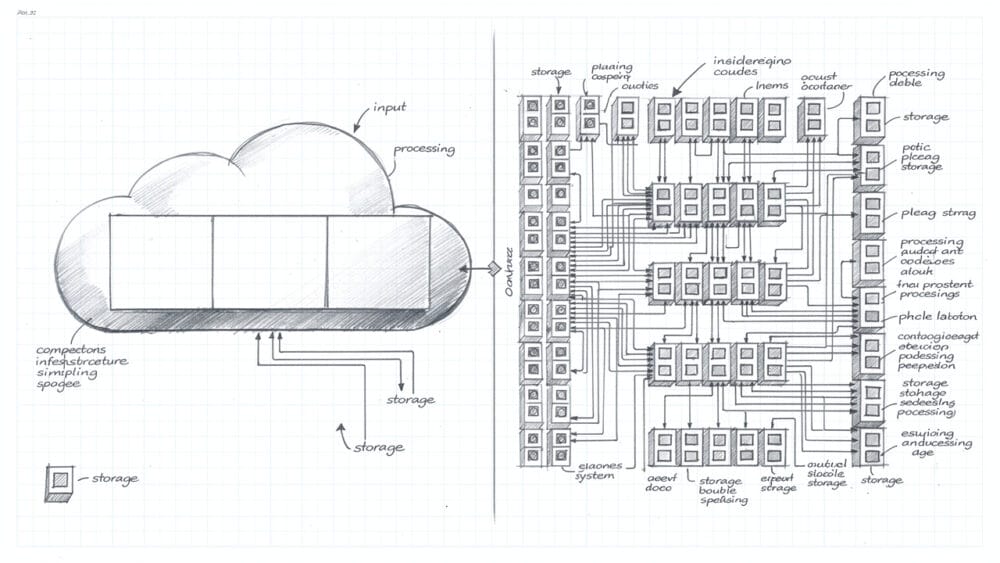
Here is how I think about SaaS versus PaaS when a founder asks how to choose an IoT platform for a SaaS product.
Pick a SaaS IoT platform when:
- You need a proof of concept in four to six weeks
- You do not have a senior cloud engineer on staff
- You are still testing product–market fit
You trade some control for speed. Pricing often lands between two and ten dollars per device each month, which is fine at a few hundred units but painful at tens of thousands.
Pick a PaaS approach when:
- You are building for production scale
- You expect ten thousand or more active devices
- You need deep links into your own business logic and data stores
The raw cloud cost might drop to a few cents up to a couple of dollars per device each month, but only after you invest approximately one hundred fifty thousand dollars or more in architecture and engineering.
If you do not have strong internal cloud skills, PaaS can drain your runway before any customer sees value. If you plan to hit fifty thousand devices within eighteen months, pure SaaS pricing can crush your margins. Your real decision is which pain you prefer first.
The 6 Non-Negotiable Evaluation Criteria (Stop Reading Vendor Blogs)
Once you know the service model that fits your team, the next step is to decide what actually matters inside each platform. Vendors love to talk about widgets and demos. In practice, a short list of hard questions tells you far more about whether a platform can carry a real SaaS business.
I think about these as the non-negotiable IoT platform selection criteria. Miss on any of the first two and you take on serious risk. Miss on the rest and you gradually paint yourself into a corner with high costs, outages, and slow product changes.
I have seen what happens when teams skip this step. One fleet management startup I advised picked a platform that only promised ninety-nine point five percent uptime. Three outages of four hours each later, they lost well over eighty thousand dollars in contracts because customers no longer trust their dashboards.
Treat the rest of this section as a checklist you can use during vendor calls. If you hear vague answers or long pauses, move on.
1. Security Architecture (Not Just Checkboxes)

In IoT, every device in the field is another door into your system. Good security architecture is not a marketing label; it is a set of concrete behaviors you can ask about. Start with how the platform authenticates devices. Look for support for certificate-based identity such as X.509 and transport encryption such as TLS, not just a static key baked into firmware.
Next, ask how data is encrypted while moving and while stored. You want to hear clear answers about key rotation, key storage, and access control. Role-based access control is important so different internal teams only see what they should.
The missing piece many teams forget is safe firmware updates over the air. Ask the vendor exactly how they handle failed updates, rollback, and staged rollouts. My simple rule is this: if a vendor cannot explain their basic security design in about a minute, they probably do not have a solid design.
To keep vendor conversations concrete, ask:
- How do devices authenticate on first boot and on reconnect?
- What happens if a certificate or key is compromised?
- How are firmware updates signed, tested, and rolled out?
- Who inside our company can see which classes of data?
“Security isn’t a feature you bolt on later; it’s part of the first device you ship.”
— A security engineer at an industrial IoT vendor
2. Scalability (Beyond The Marketing Claims)
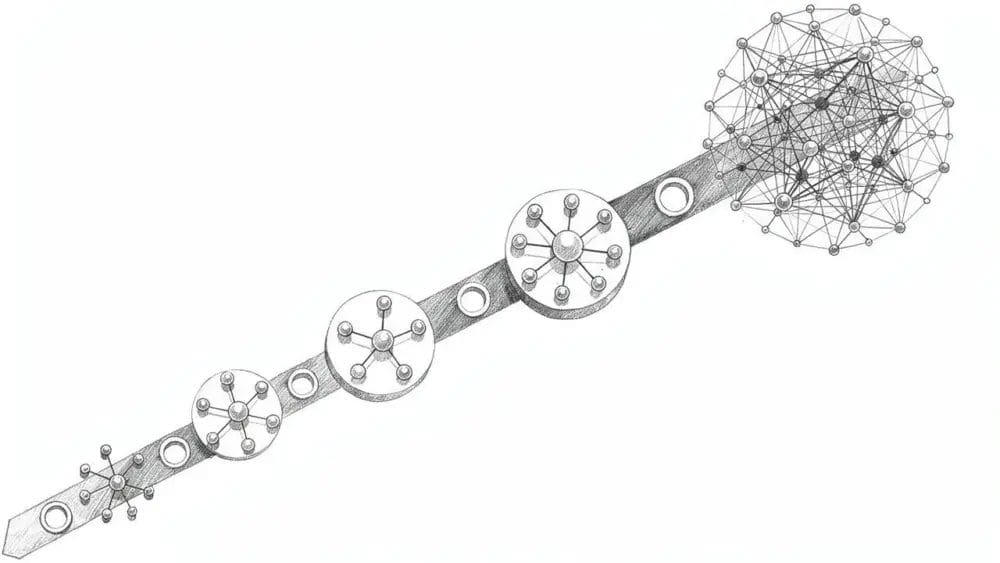
Many decks say “scales to millions of devices” yet fall over when a single customer grows past a pilot. Real scalability has a few parts. You want to know how many messages per second the platform can handle for your use case, what happens to latency when a burst hits, and whether it can operate across the regions your customers live in.
The biggest mistake I see is teams testing with fifty devices and assuming linearly that fifty thousand will behave the same way. Latency that looks fine at small loads tells you almost nothing about behavior at scale. When you talk to vendors, ask for reference customers at several times your target size and ask to see real performance numbers, not just marketing claims.
There is also a cost side to scale. Some platforms do grow technically but use per-message pricing that ruins your unit economics once devices start sending rich telemetry. Model three points for every option:
- One thousand devices
- Ten thousand devices
- Fifty thousand devices
Use realistic message rates and retention. Look at both performance and cost at each level.
3. Real-Time Data Processing (Where Value Actually Lives)
Your SaaS product does not win just because it collects data. It wins when it reacts fast enough and smart enough to change behavior or trigger actions. That means you need to be clear about what real-time means for your use case before you decide how to choose an IoT platform for SaaS.
For some products, real time means alerts within a second. For others, a one-minute delay is fine as long as trends and patterns are visible across a whole fleet. Look for a platform that offers a rules engine that can trigger actions, not only dashboards. You should be able to define “if this reading crosses that line, call this webhook or update that record”.
If you expect to use machine learning, check whether the platform plays well with tools such as TensorFlow, PyTorch, or cloud machine learning services. You do not want to build fragile custom bridges just to run simple anomaly checks. Ask vendors to show you, live, how to set up a rule that fires a workflow in your CRM based on a sensor threshold.
During evaluation, ask things like:
- What is the typical end-to-end delay from device message to alert?
- How are rules defined, tested, and versioned?
- Can we trigger webhooks, queues, and third-party tools from rules?
- How do you handle spikes in event volume?
4. Integration Capabilities (The Hidden Complexity)
An IoT platform that does not connect cleanly to the rest of your stack creates slow manual work and frustrated customers—Navigating the Landscape of IoT platform integration challenges requires understanding how systems connect at an architectural level. At minimum, you want clear APIs, support for common IoT protocols like MQTT and HTTP, and practical ways to push data into your data warehouse, billing system, and customer support tools.
Many teams hear “we have a REST API” and think integration will be easy. The real questions are about rate limits, webhook support, and whether the platform supports safe two-way sync without race conditions. For industrial products, you may also need support for protocols such as OPC UA or Modbus to talk to older hardware.
Align platform choice with your current stack. If your company is already deep on Microsoft tools, for example, life is often much smoother with Azure IoT than with a random third party that your team has to learn from scratch. Be careful with platforms that insist you keep all data in their own storage and analytics layers. Those can lock you in and make future moves slower and more expensive.
Useful integration questions include:
- Which authentication methods do your APIs support?
- What are your rate limits and how are they enforced?
- Do you offer outbound webhooks or only polling APIs?
- How do you recommend moving data into a data warehouse?
5. Total Cost Of Ownership (Not Just Subscription Fees)
Price pages show only a slice of what you will pay over the life of your product. Good IoT platform pricing comparisons look at total cost instead of just the monthly plan. That means platform fees, engineering time, integrations, support, training, and long-term storage.
Write down what you expect to spend on development and integration in the first year. A complex platform with weak documentation might be “cheaper” on paper but can quietly burn three to six months of engineering time just to reach parity with a simpler option. That lost time matters more than a few hundred dollars off the bill.
Watch out for aggressive overage fees. I worked with one company whose bill jumped from eight hundred dollars to more than four thousand dollars one month because they crossed a message tier nobody had noticed. Compare how different pricing models such as per device, per message, and per operation behave at your target scales, not just at your pilot size.
When you model cost, include:
- Platform subscription and usage fees
- Engineering time for integrations and maintenance
- Support and training costs
- Long-term storage and analytics costs
6. Vendor Viability And Lock-In Risk
When you sign up for a platform, you are also betting on that company staying focused and healthy for years. Look for signs of a stable product: current customers, clear documentation changes, regular feature releases, and no recent pattern of layoffs or pivots into unrelated markets.
Then look at how hard it would be to leave. IoT platform vendor lock-in hurts more than most founders expect. If every device relies on a proprietary SDK that only talks to one cloud endpoint, you may need to reflash an entire fleet just to migrate. That is a nightmare when devices are already in the field.
During trials, test the exit plan. Export a chunk of your data, move a few devices to a different backend using standard protocols such as MQTT, and see how much friction you hit. A platform with open standards and clear export paths may save you millions later, even if it looks slightly less polished at the start.
The Staged Approach: Match Platform To Your Business Phase
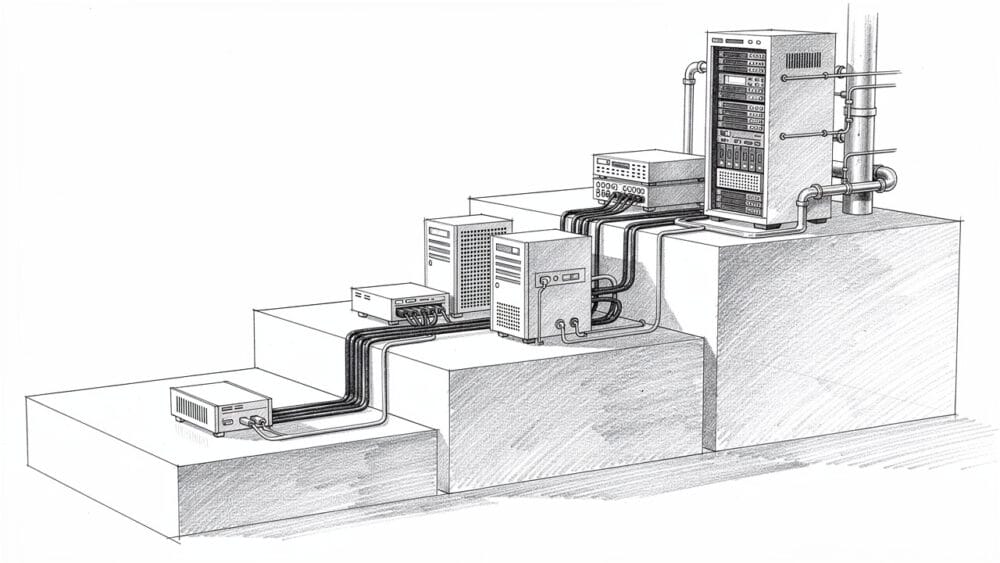
Many founders ask me how to choose an IoT platform for SaaS as if they are picking a life partner. That mindset creates pressure and leads to very safe, very slow choices. A better way is to match your platform to your current stage and accept that you might change once as you grow.
Think in three stages: validation with a small device count, production with real customers and contracts, and then scale. Each stage has different goals, different risks, and different trade-offs. The platform that fits ten pilot customers is rarely the same one that supports a hundred thousand devices in the field.
You do not need Azure IoT Hub-level capability when you are still trying to close your first design partner. You do need a clear sense of what must be easy now and what must be possible later.
“Don’t design for scale before you have something worth scaling.”
— Advice I give every IoT founder
Stage 1: Validation (0–1K Devices)
In validation, your only real job is to prove that someone cares enough about your product to pay for it. This usually means three to six months where learning speed matters more than perfect architecture. For this phase, a SaaS IoT platform is often the right fit.
A SaaS option lets you get devices talking to a backend, create a simple dashboard, and show live value to early customers in four to eight weeks. You can ignore long-term scaling and deep customization during this phase, as long as the platform does not block your core user flows.
A reasonable budget at this stage is:
- A few hundred to a couple thousand dollars per month for the platform
- Roughly fifty to eighty thousand dollars in engineering time
Pick a platform that keeps device code as standard as possible and offers easy data export so you keep your options open for later migration.
Stage 2: Production (1K–50K Devices)
Once you have paying customers and feel real pressure on uptime, support, and reliability, you enter the production phase. Here, the gaps in early choices show up. Maybe your current platform makes custom workflows painful. Maybe pricing tiers start to break your unit economics.
This is the stage where many teams move from a SaaS IoT platform to a PaaS setup such as AWS IoT or Azure IoT Hub, or at least to an enterprise tier that allows deeper customization. What matters now is control. You want better integration with your CRM and ERP, more direct access to time series data, and the ability to shape the user experience instead of living inside a generic dashboard.
Be realistic about migration. Every IoT platform migration I have seen has taken three to six months of focused engineering and at least a couple of weeks where old and new platforms run side by side. Plan for that work rather than assuming a “lift and shift” will be quick.
Stage 3: Scale (50K+ Devices)
At scale, the main questions shift from “does this work?” to “can this stay profitable and reliable?” A small change in per-device cost now adds up to tens of thousands of dollars every month. You start to care much more about:
- Edge computing and local decision-making
- Data pipeline and storage design
- Smooth deployment of new firmware and models
For most SaaS companies at this level, PaaS is the minimum. Some build more custom infrastructure on top once they have several engineers dedicated to the platform and a serious budget to support it. You may consider a fully custom backend if you have special sensors, very tight latency needs, or strict compliance rules.
The key is that these decisions come after you already know what your customers value. Trying to design this entire scale stage on day one is one of the most common ways teams delay actual learning.
When To Walk Away: Red Flags That Should End Your Evaluation
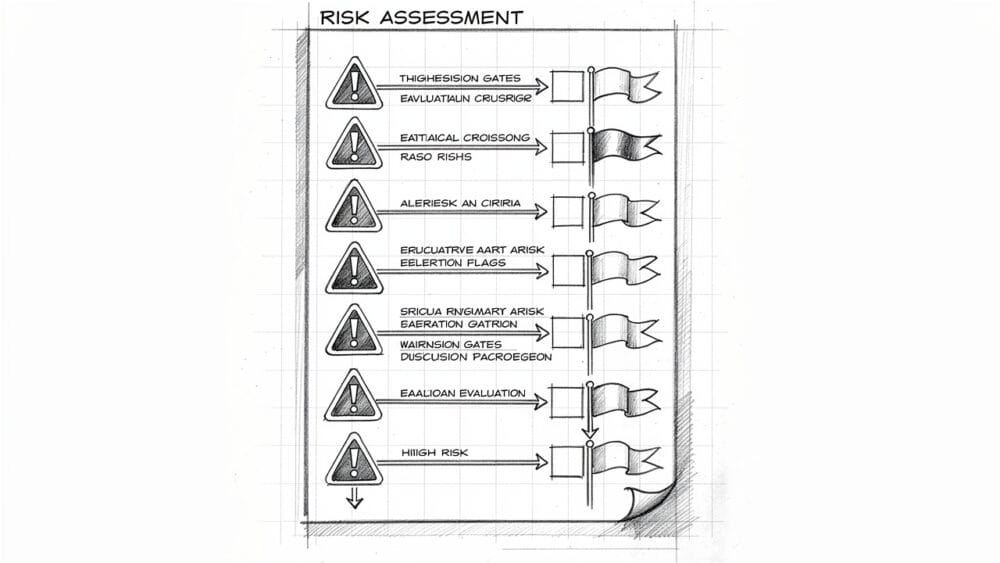
Over the years I have built a short list of signs that tell me a platform is not worth more of a team’s time. These are not mild concerns. They are patterns I have seen end in outages, surprise bills, and messy rewrites.
- A vendor cannot point to reference customers at your rough scale or in a similar industry. This usually means you are about to become their experiment. Early-stage platforms can be fine, but only if you are clear that you are taking that risk and are getting something significant in return.
- Pricing details stay vague when you ask about your expected volume. Phrases like “we will work it out later” or “contact us for enterprise plans” show up often just before unpleasant invoices. If they will not write down how overages work, assume they will not favor you when your usage spikes.
- The platform forces you to use only their proprietary device SDKs without any open-source option. This locks your firmware to their way of doing things from day one. If you ever need to leave, you will be stuck touching every device again instead of just changing a configuration.
- Documentation looks old, sparse, or out of date, and there is no visible developer community asking and answering real questions. Your team will then spend far too much time guessing how things work or waiting on support tickets instead of shipping products.
- Sales pressure shows up early in the form of long multi-year contracts before you have even tested scale. Vendors push these deals when they know churn is high. If you have not seen the platform under your real workload, signing a long contract is a bet you do not need to make.
- The vendor has no way to show true real-time behavior. When asked to demonstrate live alerts or streaming updates, they fall back to static screenshots or very slow refreshes. If your product depends on fast feedback, that gap will cost you later.
- The platform does not support standard protocols such as MQTT or AMQP and expects you to use only its own custom interfaces. That choice might seem simple at first but often turns into painful integration work and a high barrier to any future change.
If a platform hits three or more of these red flags during evaluation, I recommend stopping right there. Hope is not a strategy, and IoT projects are too expensive to leave to hope.
What Most Teams Get Wrong About Platform Selection
I want to call out a few repeat mistakes I see when teams ask how to choose an IoT platform for SaaS. These are not small missteps. They are patterns that waste quarters and burn cash.
Mistake 1 – Starting With Vendor Demos Instead Of Requirements
This happens because demos are polished and exciting, and writing a dull requirements document feels slow. Then teams fall in love with a dashboard and only later discover that the same platform cannot meet their device authentication or compliance needs. A better path is to spend one to two weeks listing business goals, security rules, data needs, and limits on cost before you book a single sales call.
Mistake 2 – Underestimating Integration Work
“REST API available” sounds like everything will plug in neatly. In practice, reliable two-way sync with your CRM or billing system is real engineering work. One client I helped spent more than one hundred twenty thousand dollars on custom integration they thought would be simple. During evaluation, push vendors for a detailed walk-through of common integration patterns, rate limits, and error handling instead of taking “yes, that is possible” at face value.
Mistake 3 – Optimizing For Today’s Scale, Not Next Year’s
A team will often say “we only need five hundred devices,” and pick a platform based on that. Then a big contract lands and they suddenly need five thousand devices online within months. The per-device cost that seemed fine now destroys margins. I advise founders to model architecture and cost for at least ten times their current projection. If things go well, you will hit that sooner than you think.
Mistake 4 – Ignoring The Exit Strategy
Most teams assume they will stay on their first platform forever, so they never test what leaving would look like. This is risky because platforms, pricing, and your own needs all change. During your trial, practice exporting data and re-provisioning a small test group of devices to a different backend. If it is painful at fifty devices, imagine how it will feel at fifty thousand.
How Ruhani Rabin Helps SaaS Teams Navigate These Decisions
Everything in this article comes from years of building and fixing real products, not from reading vendor decks. I have spent more than twenty-five years leading SaaS and technical teams, including products that mix cloud, hardware, and AI. My work now focuses on helping founders make cleaner product decisions before they spend big on engineering.
When teams ask me how to choose an IoT platform for SaaS, we do not start with a list of vendors. We start with metrics, constraints, and clear trade-offs.
I typically support teams in a few focused ways:
- A short platform selection advisory, where over two weeks we define requirements, compare three to five vendors, and produce a written recommendation with a simple total cost view.
- Product strategy for IoT, which helps founders of existing SaaS products decide where connected hardware or automation adds real value instead of noise.
- Architecture reviews for teams already on a platform to check whether the current path can support the next year or two of the roadmap.
For some companies, I also act as a fractional product leader during an IoT buildout, so they have someone watching both the product and technical sides of these choices. The goal is always the same: avoid the common two hundred thousand dollar mistake and keep the team focused on building something customers are willing to pay for.
If you are in the middle of these decisions and want a direct outside view, I can walk through your specific case and decide what to test next.
Frequently Asked Questions
What’s The Average Cost Of An IoT Platform For A SaaS Company?
Costs vary a lot with size, but there are patterns. Many SaaS-style IoT platforms charge somewhere between five hundred and five thousand dollars each month for a few hundred to a few thousand devices. PaaS setups might cost two hundred to two thousand dollars per month in cloud fees at a similar scale, but they also require one hundred thousand to two hundred thousand dollars in engineering work up front.
You should also plan for data storage, support, and integration work. As a rough rule, platform spend should stay within a small single-digit share of revenue per connected device.
How Long Does It Take To Integrate An IoT Platform?
For a SaaS-style IoT platform, many teams reach a basic integration in four to twelve weeks. That usually covers secure device connection, simple dashboards, and basic alerts. For a PaaS setup that supports production use, plan for three to six months. That work includes architecture, security, custom user interface, and testing.
Most teams underestimate timelines by about half. If a vendor says six weeks, treat ten to twelve weeks as a safer plan. Leave at least a couple of weeks at the end for load tests and pilot customers before full rollout.
Can I Switch IoT Platforms Later If Needed?
Yes, you can switch IoT platforms, but it is never painless. Expect three to six months of engineering effort and a period where you are running old and new systems together. Common pain points include moving historical data, changing device endpoints in the field, and mapping new data models to existing reports.
To reduce this risk, favor standard protocols such as MQTT and open-source SDKs where possible. During early trials, run a small experiment where you move a few devices and some data to a different backend. That test gives you a real sense of your future flexibility.
Do I Need A Separate Device Management Platform Or Is It Built Into IoT Platforms?
Most modern IoT platforms include basic device management. That usually covers onboarding, health monitoring, and firmware updates over the air. For a typical SaaS product with a few thousand devices, these built-in tools are often enough.
You might need a separate device management product if you manage more than fifty thousand devices, if you support many hardware types from different vendors, or if you need advanced fleet tools such as staged rollouts and complex group policies. For many early and mid-stage SaaS teams, the integrated features are fine until you grow much larger.
What’s The Difference Between Edge Computing And Cloud Processing In IoT?
Edge computing means doing part of the processing on the device itself or on a nearby gateway. This is helpful when you need fast reactions, when internet links are unreliable, or when sending all raw data would be too expensive. Cloud processing means sending data to a central service for analysis, storage, and dashboards.
Most successful IoT SaaS products use a mix of both. Devices handle very fast or local decisions, such as safety cutoffs, while the cloud handles trend analysis, machine learning, and long-term reporting. When deciding how to choose an IoT platform for SaaS, be sure it supports the mix of edge and cloud behavior your use case needs.
Conclusion
Choosing an IoT platform is not about finding the flashiest feature list. It is about making a clear, staged decision that fits your use case, team, and time frame. You start by deciding whether you need speed or control right now, then you apply a short set of IoT platform selection criteria that actually tie back to your business.
The three calls that matter most are the choice between SaaS and PaaS for your current stage, the discipline to evaluate platforms on security, scale, data handling, integrations, cost, and vendor lock-in risk, and the mindset that your first platform does not have to be your last. You can start simple, get real customer feedback, and then move to something heavier once the business case is clear.
Getting this wrong has a price. I have seen teams lose six to twelve months and hundreds of thousands of dollars chasing the wrong platform, only to disappoint early customers with outages and clumsy experiences. If you would rather skip that phase and make a cleaner decision, this is exactly where I help founders and product leaders.
If you are a SaaS founder working through how to choose an IoT platform for a SaaS product, we can map your requirements and narrow your options in a couple of weeks instead of a couple of quarters. The best IoT platform for you is the one that supports your business goals within your real limits on time, money, and team. Everything else is noise.


Comments
Loading comments...